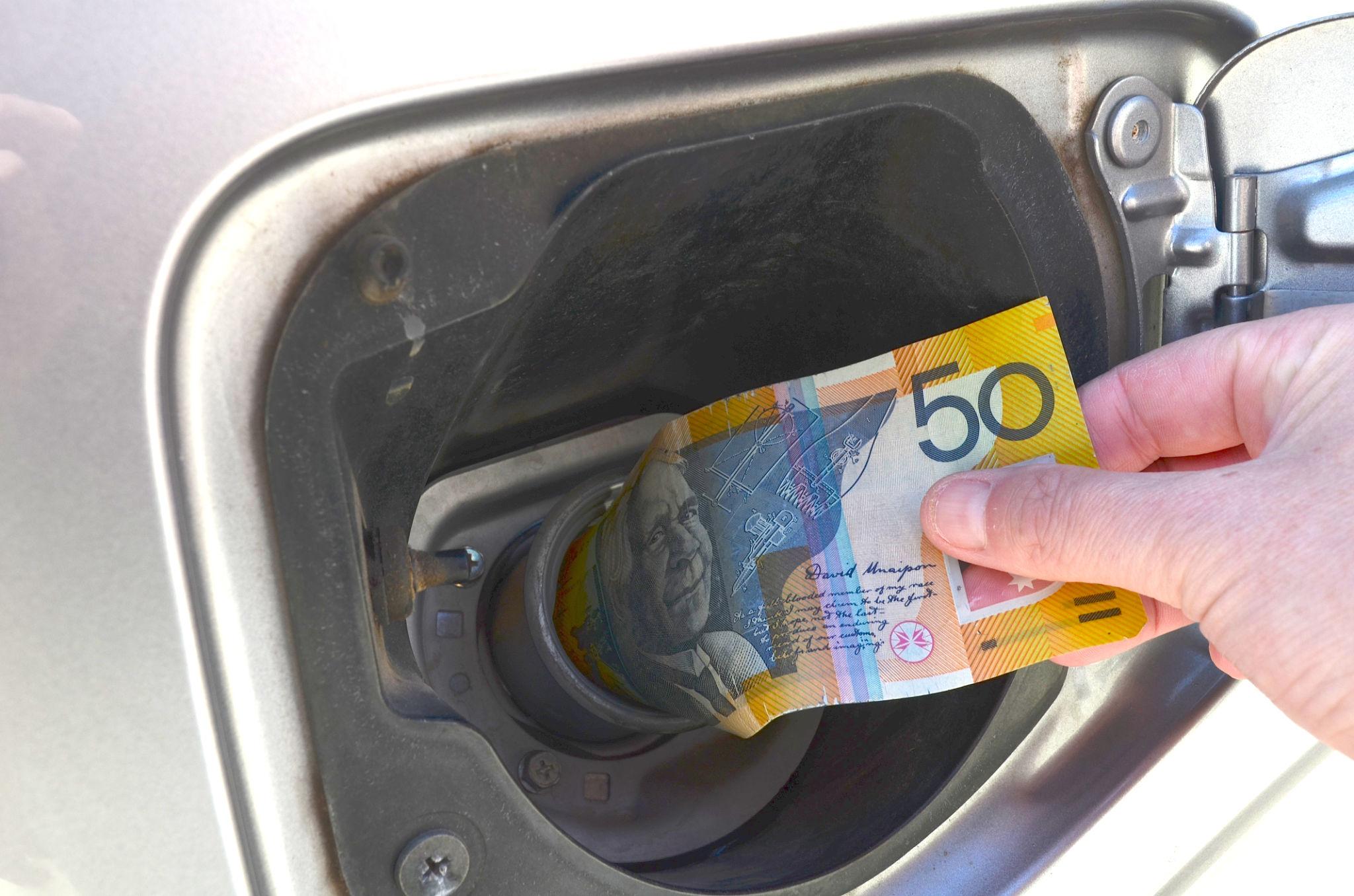
Global events are starting to hit closer to home, with rising oil prices and ongoing geopolitical tensions putting pressure on inflation and interest rates in Australia. The RBA has already moved to increase the cash rate to 4.10%, with further rises potentially on the horizon. Tools like offset accounts can help reduce the true cost of your mortgage, but only when used correctly and aligned with your financial situation.
Geopolitical tension in the Middle East is rippling through global energy markets, and the Reserve Bank of Australia (RBA) is watching closely.
At its March meeting, the Board raised the cash rate to 4.10%, its second increase this year. The decision was driven in part by the conflict's impact on global oil prices, with the RBA's own modelling suggesting that oil remaining around US$100 per barrel could lift headline inflation in Australia to around 5% over the year to the June quarter – well above the 2-3% target.
The minutes of the March meeting make clear that further tightening in monetary policy would likely be required in the near term, with markets fully pricing another rise by August. For borrowers who were hoping 2025’s rate-cutting cycle still had room to run, the outlook has shifted materially.
Australia's position is complex. As a major exporter of liquefied natural gas (LNG) and coal, higher energy prices can lift export revenues and national income. But we also import most of our refined fuel, meaning oil price rises feed quickly into petrol costs, freight expenses and broader inflation, squeezing household budgets in the process.
For property, the pressure compounds further up the chain. Construction relies heavily on diesel machinery and energy-intensive materials like steel and cement. When fuel costs climb, building costs follow. In a market where development feasibility is already tight, that means fewer projects proceed and new supply slows.
With the potential for further rate rises ahead, borrowing capacity is likely to tighten further, making it all the more important to understand exactly where you stand before the next move comes.
An offset account is a transaction account linked to your home loan. The balance in that account is offset against your outstanding loan balance, reducing the interest you're charged.
Let’s say, for example, you owe $800,000 and have $50,000 sitting in your offset, you will only be charged interest on $750,000. You're not earning interest on those savings, but you're effectively getting a return equivalent to your loan rate.
That said, offset accounts aren't always the right call. They typically come with variable-rate loans, so if you're weighing a fixed rate for certainty, you'll likely forgo the offset. They can also attract higher fees or slightly higher rates depending on the lender, so the maths needs to stack up for your situation.
They tend to make the most sense when you carry a meaningful cash balance – whether that's an emergency fund, business float or savings earmarked for a future purchase. The larger and more consistently maintained that balance, the more interest you save over time.
Used well, an offset account can be a simple way to reduce the true cost of your loan without changing anything about how you live.
Experience the difference with our tailored financial solutions. Let's transform your financial landscape together. Get in touch for a free consultation!
Get in touch


